Glass Top vs Solid Lid Humidors: Which One Is Better?
The choice between a glass-top and solid lid humidor is one that most buyers make on aesthetics and then rationalize afterward. That's not necessarily wrong - how a humidor looks matters, and you're probably going to be opening it multiple times a week - but there are real functional considerations that should inform the decision alongside the visual ones. Here's what actually matters between the two designs.
What's The Practical Difference?
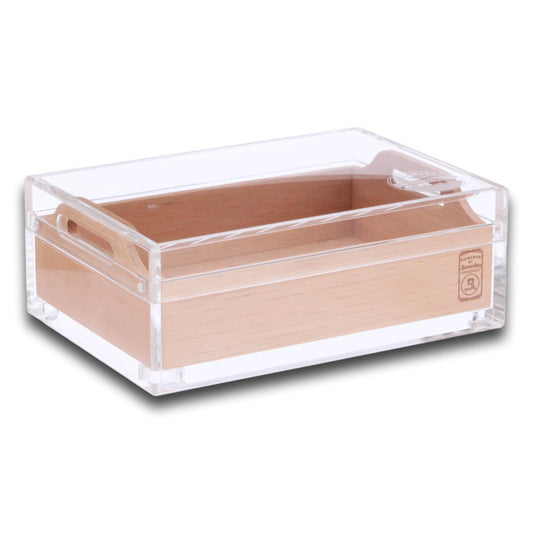
The most significant functional distinction is in how each lid type handles the seal and humidity retention. A solid wood lid, when properly constructed with a good seal, creates a more complete barrier between the interior environment and the ambient air outside. There's no joint between materials, no glass panel introducing a different thermal coefficient, and no potential weak point at the frame where two different materials meet. Glass-top lids introduce a seal at the perimeter of the glass panel, typically a gasket or fitted groove.
The quality of this seal varies considerably between manufacturers. On well-made glass-top humidors, the seal is tight enough that humidity retention is comparable to a solid lid. On lower-quality versions, the junction between the glass and the frame can be a point of humidity loss that becomes more significant over time as the materials expand and contract with temperature changes.
The other practical difference is temperature sensitivity. Glass transmits heat more readily than wood. A glass-top humidor placed in a location with any direct or indirect sunlight will experience faster internal temperature rises than a solid lid equivalent. Since temperature affects relative humidity - warmer air holds more moisture, which changes the effective humidity - the glass-top requires more attention to placement.
What Are The Advantages Of A Glass Top?
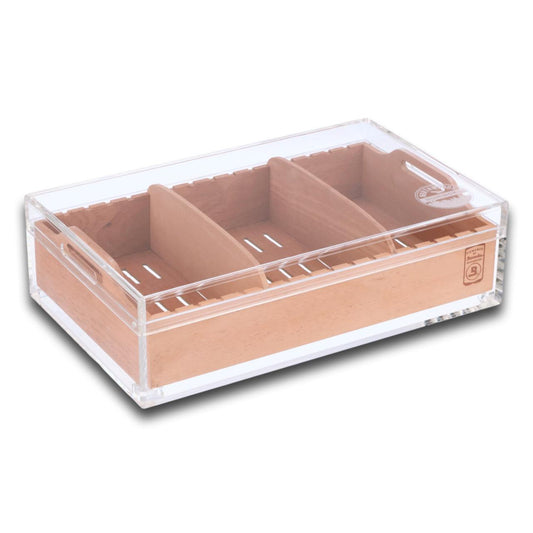
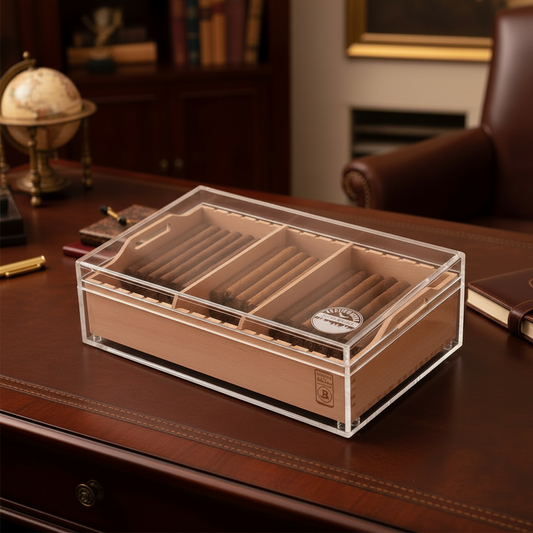
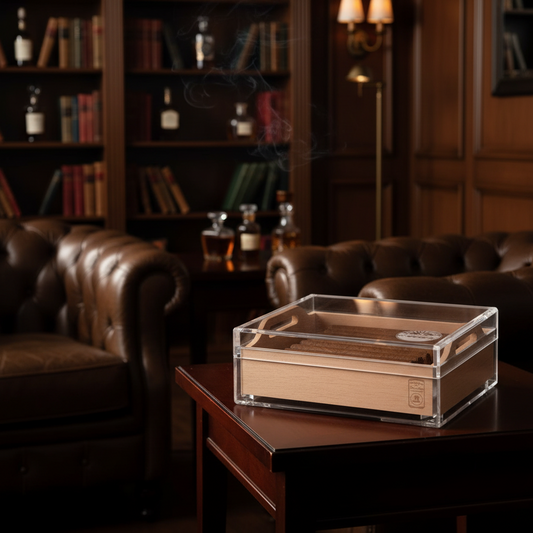
Visibility without opening. You can see your collection, check what you have, and admire the contents without breaking the seal. For collectors who care about display value - and many do - a glass-top humidor turns a practical storage piece into something closer to a showcase. There's genuine pleasure in seeing a well-organized collection through quality glass. The display advantage also has a practical dimension: you can quickly assess your stock without the small but cumulative humidity loss that occurs every time you open the lid. If you open your humidor several times a day just to look at what you have, a glass top eliminates most of those unnecessary openings. Glass-top humidors tend to be more visually elegant in certain interior design contexts - they sit naturally on a desk or sideboard in a way that invites attention rather than concealing its contents behind a plain wooden face.
What Are The Advantages Of A Solid Lid?

Humidity stability is the primary argument. A solid lid with a quality seal maintains internal conditions more reliably, particularly in environments with moderate temperature variation or in locations where the humidor isn't in a perfectly climate-controlled space. For serious aging - long-term storage where consistent conditions over months and years matter - the solid lid's environmental stability is a genuine advantage. The absence of glass also means the interior is fully shielded from light, which matters more than most people realize. UV exposure degrades the essential oils in tobacco over time, affecting the flavor of cigars stored near any light source. A solid lid eliminates this concern entirely, while a glass-top humidor requires careful placement away from any light that could reach the cigars through the panel. Solid lid humidors are also typically more forgiving of less-than-ideal placement conditions because they're not dealing with the additional thermal and light exposure variables that glass introduces.
Does The Glass Affect Humidity In Any Meaningful Way?
In a well-made humidor, not significantly. The perception that glass tops inherently compromise humidity is somewhat overstated when applied to quality pieces. The real humidity variable is seal quality, not the material of the lid itself. A poorly sealed solid lid will lose humidity faster than a well-sealed glass-top. The relevant question is whether the specific humidor you're considering has been constructed with attention to the seal, not just which lid material it uses. Understanding the different types of humidors more broadly - from desktop to cabinet to travel - puts the glass vs solid decision in context, since the same design considerations apply differently across humidor categories.
Which Is Better For Displaying Premium Cigars?
Glass top, without question. If you have cigars worth showing - limited editions, aged pieces, a curated rotation of beautiful wrappers - a glass-top humidor lets you enjoy the collection visually without touching it. Pairing that with quality storage hardware from makers like Raching's handcrafted humidor range gives you the best of both: genuine display value in an object that takes the storage function seriously.
Which Should You Choose?
If your humidor is going on a desk or sideboard in a climate-controlled room away from direct light, and you value being able to see your collection without opening the box, a well-made glass-top is a compelling choice. If you're prioritizing long-term aging stability, you have a less controlled environment, or you want the cleanest possible seal without variables, a solid lid is the more straightforward performer. The quality of construction matters more than which design you choose. A premium glass-top from a serious maker will outperform a cheap solid-lid humidor in every functional respect, and vice versa. Buy the best construction you can afford in whichever style suits your situation.
Why Northwoods Humidors
Northwoods Humidors stocks both glass-top and solid lid humidors across a wide range of sizes and price points, from everyday desktop pieces to premium crafted storage. Founded by Kevin, a Certified Consumer Tobacconist who has been advising cigar enthusiasts for over a decade, Northwoods has fulfilled 35,000+ orders with a 4.9-star rating and a 30-day return policy. Whether you know exactly what you want or need help deciding, the Northwoods team is there to guide you. Explore the full humidor range at Northwoods Humidors and find the right fit for your collection.
FAQs
Does the glass in a glass-top humidor require any special care?
Standard glass care applies - keep it clean with a soft cloth and avoid abrasive cleaners that could scratch the surface. The more important maintenance consideration is the seal at the perimeter of the glass panel. Inspect it periodically for any gaps or deterioration, particularly in environments with significant seasonal temperature variation, and address any seal issues before they affect humidity retention.
Can I place a glass-top humidor on a windowsill?
It's not recommended. A windowsill combines two of the main risks for any humidor - direct sunlight and temperature variation - and adds the specific glass-top concern of the sun reaching the cigars directly through the panel. Interior placement away from any direct or strong indirect light is the right location for a glass-top humidor. The same applies to solid lids, but the stakes are higher with glass.
Will a glass-top humidor show condensation on the inside of the glass?
It can, and if it does it's typically a sign that humidity inside the humidor is too high or that there's a significant temperature differential between the interior and the exterior. Some light condensation on cool mornings in a warm room is generally harmless if it clears quickly. Persistent condensation indicates a humidity issue worth investigating and addressing through the humidification source rather than ignoring.
Are glass-top humidors more fragile than solid lid ones?
The glass panel itself is a potential fragility point, particularly in travel or storage contexts where the humidor might be bumped or stacked. For a humidor that stays in one place on a desk or shelf, this isn't a practical concern. For anything involving regular transport, a solid-lid or purpose-built travel humidor is the more robust choice.
What's the best way to clean inside a glass-top humidor?
Use a soft cloth lightly dampened with distilled water for the cedar interior. Avoid cleaning products, soaps, or anything scented inside the humidor, as the cedar will absorb and retain chemical odors that will transfer to your cigars. For the glass panel, a dry microfiber cloth on the interior surface prevents water contact with the seal area; clean the exterior of the glass as you would any glass surface.