How To Remove And Prevent Mold In Cigar Humidors
Finding mold in your humidor is one of those moments that stops you cold. You open the lid expecting to see your collection sitting exactly as you left it, and instead there's a fuzzy white or green growth on the cedar lining or, worse, on the cigars themselves. The instinct is panic, but the situation is usually recoverable - and understanding what actually caused it makes the difference between fixing it once and dealing with it again in six months.
What Causes Mold To Grow In A Humidor?
Mold needs three things to establish itself: moisture, organic material, and warmth. A humidor provides all three by design. The problem isn't that the conditions exist; it's that something has pushed them past the threshold where mold can't get a foothold. In most cases, that means humidity has been running too high for too long. The target range for cigar storage is 65 to 72 percent relative humidity. Above 72 percent, mold risk increases significantly. Above 75 percent, you're essentially creating ideal conditions for it.
Over-humidification is by far the most common cause - either the humidification source was overfilled, the humidor was sealed before the cedar had fully seasoned and released its excess moisture, or a passive humidifier was running without regular monitoring. Poor airflow compounds the problem. Cigars packed tightly into an overfull humidor prevent air from circulating evenly, creating microclimates within the box where humidity concentrates higher than the hygrometer reading suggests. This is why packing a humidor beyond 80 percent capacity is a practical risk as well as a theoretical one.
How Do You Tell Mold Apart From Plume?
This distinction matters enormously before you do anything else. Plume, also called bloom, is a natural phenomenon - a whitish, powdery, crystalline deposit that forms on the wrapper of a cigar as it ages, caused by the migration and crystallization of essential oils from within the tobacco leaf. It's harmless, wiped away easily with a clean dry cloth, and considered by many aficionados to be a sign that the cigar has been properly aged.
Mold, by contrast, is fuzzy and three-dimensional rather than powdery and flat. It typically has a blue, green, or grayish tint rather than the white of plume, and it grows in irregular patches rather than as an even bloom across the wrapper. When you're unsure, a gentle wipe with a dry cloth tells you quickly: plume comes right off and doesn't return; mold wipes away but the patch remains slightly discolored and tends to return without intervention. Mold on the cedar lining of the humidor is a separate and more serious concern than plume on a cigar wrapper, and it needs to be addressed at the source rather than just on the cigars themselves.
How Do You Remove Mold From A Humidor?
Remove all cigars from the humidor first. Inspect each one individually - cigars with surface mold should be quarantined separately from clean ones. Mold on a cigar wrapper doesn't necessarily mean the cigar is ruined; if it's caught early and the damage is superficial, gently wiping the affected area with a soft cloth and allowing the cigar to dry slightly at lower humidity can save it. Knowing the signs that cigars have gone bad beyond surface mold helps you make that judgment call rather than discarding good cigars unnecessarily.
For the humidor itself, wipe down all affected interior surfaces with a cloth lightly dampened with isopropyl alcohol - 70 percent concentration is standard. The alcohol kills the mold without saturating the cedar with water, which would create the conditions for it to return. Work across the entire interior, not just the visibly affected areas, as mold spores can be present before they're visible. Leave the humidor open in a dry room for 24 to 48 hours after cleaning. Remove all humidification devices during this period. Once fully dry, wipe the interior lightly with distilled water to neutralize any alcohol residue, allow it to dry again briefly, then re-season before returning cigars.
How Do You Prevent Mold From Returning?

The prevention strategy is essentially the mirror image of the conditions that caused it. Keep humidity at or below 70 percent as a matter of routine, not just as a recovery measure. Use a reliable digital hygrometer and check it regularly - a hygrometer you haven't checked in three weeks isn't protecting your collection. Two-way humidity control products, like Boveda packs, actively absorb excess moisture as well as releasing it, which makes them significantly more reliable at preventing over-humidification than passive humidifiers that only release moisture. If you've had repeated mold problems, switching to Boveda is often the single most effective change you can make.
Avoid distilled water as a humidification method without propylene glycol; distilled water alone in a foam humidifier has no antimicrobial properties and will support mold growth more readily than purpose-made humidification solutions. Propylene glycol solutions maintain a ceiling of approximately 70 percent RH through their chemical properties, which provides a natural check on over-humidification. Don't overpack. Maintain airflow by keeping the humidor at 70 to 80 percent capacity maximum and rotating your stock occasionally so the same cigars aren't always at the bottom of a dense pile.
Does The Quality Of The Humidor Affect Mold Risk?
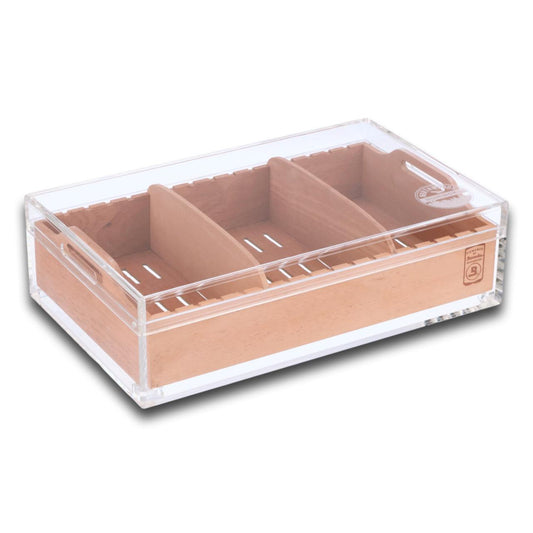
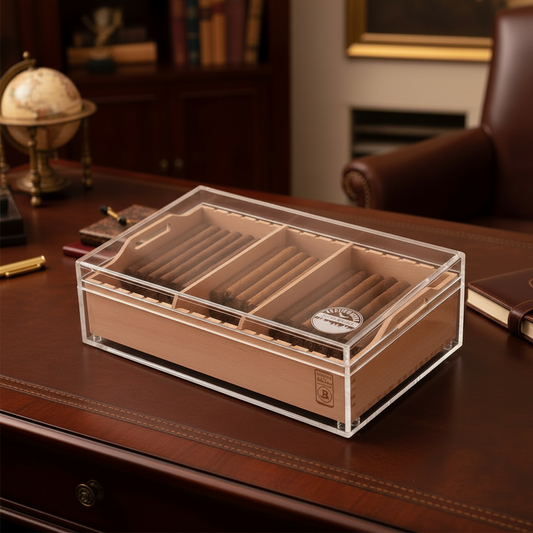
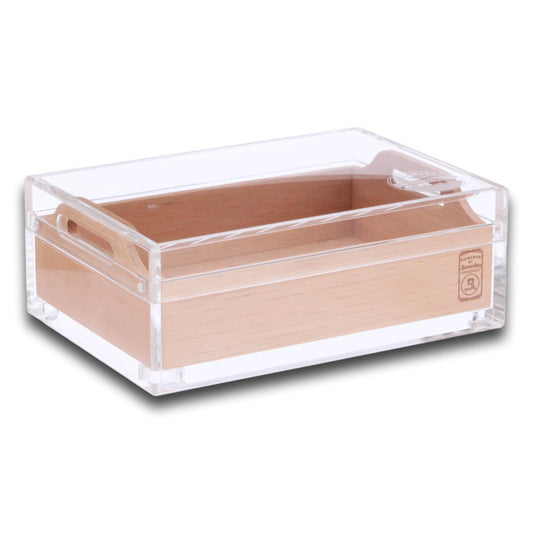
Significantly. A well-constructed humidor with a tight seal and quality Spanish cedar lining maintains more consistent internal conditions than a poorly built one. Inconsistent seals allow ambient air exchange that can introduce mold spores from outside the humidor. Thin or low-quality cedar has less moisture-buffering capacity, which means humidity is more prone to spiking after the humidification source is refreshed. For collectors who want storage that minimizes the ongoing management burden, investing in a quality piece is the most reliable long-term solution.
You can view our premium cigar storage at Northwoods Humidors across a range of sizes and price points.
Why Northwoods Humidors
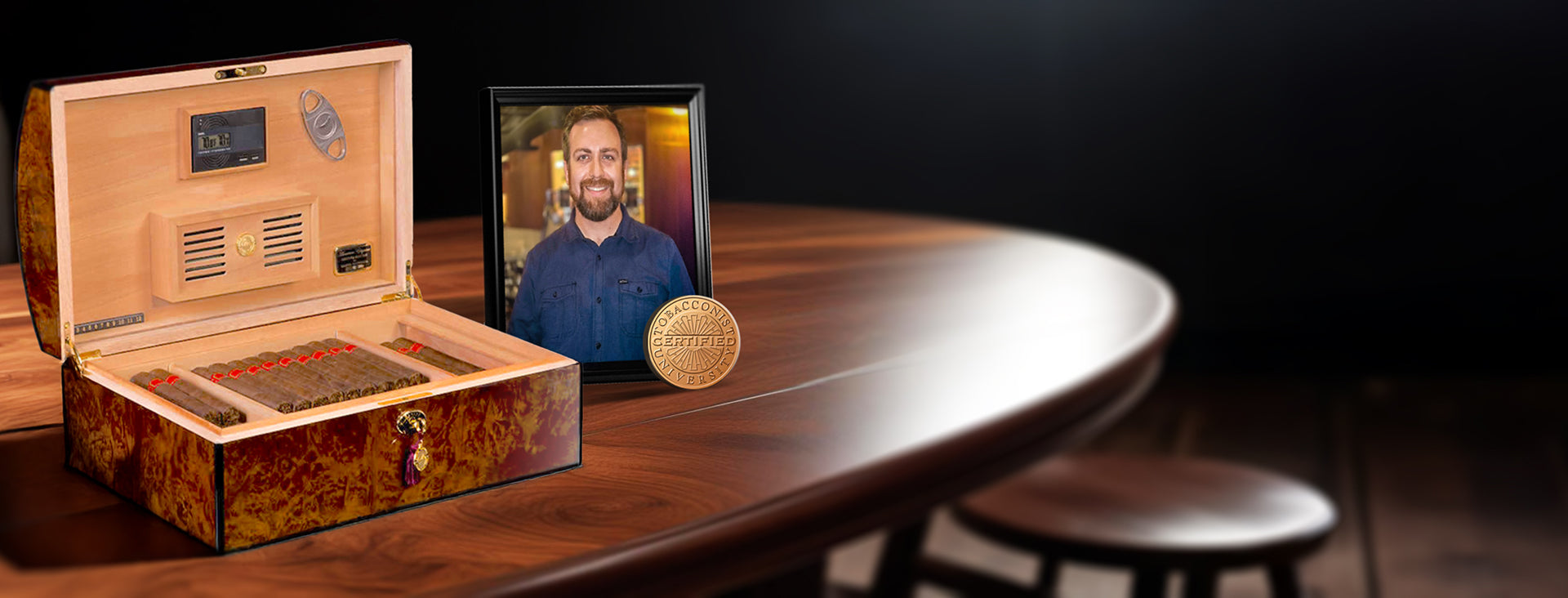
Northwoods Humidors was founded by Kevin, a U.S. Marine and Certified Consumer Tobacconist who built the store around the belief that cigar enthusiasts deserve knowledgeable guidance alongside great products. With over 35,000 orders fulfilled, a 4.9-star rating from 3,000+ reviews, and ten-plus years in the business, Northwoods carries the USA's largest selection of humidors and accessories from the industry's most trusted brands - with the personal expertise to help you choose the right setup the first time. Shop the full humidor range at Northwoods Humidors and store your collection with confidence.
FAQs
Can I smoke a cigar that has had mold on it?
If the mold was superficial and confined to the wrapper surface, and the cigar has been wiped clean and allowed to stabilize at appropriate humidity, it is generally considered smokeable. The wrapper mold doesn't necessarily penetrate the tobacco beneath. That said, a cigar with heavy mold penetration, a noticeably musty smell, or visible damage to the binder and filler should be discarded. When in doubt, the cost of a single cigar isn't worth the smoking experience a damaged one will deliver.
Is bleach safe to use inside a humidor to kill mold?
No. Bleach is far too harsh for cedar and will damage the wood, destroy its natural oils, and leave a chemical residue that will affect the flavor of any cigars subsequently stored there. Isopropyl alcohol at 70 percent concentration is the right tool - effective against mold, evaporates cleanly, and doesn't damage the cedar if used on a lightly dampened cloth rather than applied in quantity.
My humidor keeps getting mold even after cleaning - what am I missing?
Recurring mold almost always points to one of two things: humidity that keeps going too high, or a persistent source of mold spores. Check whether your humidification device is delivering humidity above 72 percent between checks, and consider switching to Boveda two-way packs if you haven't already. For spores, check whether any cigars in your rotation came from a source that may have already had mold exposure - introduced cigars can reintroduce spores even after a clean humidor has been treated.
How long should I wait before putting cigars back after treating a humidor for mold?
Allow the humidor to dry completely after cleaning - at minimum 24 hours open in a dry room, preferably 48. Then re-season the cedar by wiping lightly with distilled water and leaving a small dish of distilled water inside for 24 hours before adding your humidification solution and checking that humidity stabilizes at your target range. Only then should cigars be returned. Rushing this process is how mold comes back.
Should I store my humidor open or closed when not in use for extended periods?
If you're leaving a humidor empty for an extended period, store it open in a dry, well-ventilated area. A sealed empty humidor with residual moisture in the cedar is an ideal mold incubator. Remove all humidification devices and leave the lid propped open until you're ready to re-season and use it again.