Maduro vs Natural Cigars: What's the Difference?
Two cigars sit side by side. Same brand, same blend, same vitola. One is dark, almost black, with an oily sheen. The other is the color of light caramel, smooth and matte. They will smoke completely differently, taste like different families of tobacco, and appeal to entirely different palates. The only thing that has changed is the wrapper, and the wrapper is everything.
The Maduro versus natural distinction is one of the first real choices you make as a cigar smoker. It is also one of the most misunderstood, partly because the language is sloppy. People talk about Maduro as if it is a type of tobacco when it is actually a process, and they treat natural as a flavor profile when it is really just an absence of the Maduro process. Getting clear on the difference will tell you more about your own taste than almost any other piece of cigar education.
What actually is a Maduro cigar?
Maduro means "ripe" or "mature" in Spanish, and the name refers to what happens to the wrapper leaf during processing. Maduro wrappers undergo an extended fermentation, sometimes lasting up to two years compared to the few months a natural wrapper might see. The leaves are stacked in pilones and exposed to controlled heat and pressure, which transforms the chemistry of the tobacco profoundly.
During this extended fermentation, the natural sugars in the leaf caramelize, the chlorophyll breaks down completely, and the tobacco develops the dark brown to nearly black color that defines the style. The leaves typically used for Maduro are the thicker, oilier varieties from the upper portions of the plant, since these contain the sugar content and structural integrity needed to survive the long process without disintegrating.
Connecticut Broadleaf, San Andrés, and Brazilian Mata Fina are the three most common Maduro wrapper origins, each producing distinctly different results. Connecticut Broadleaf gives you sweet, almost dessert-like notes; San Andrés is earthier and spicier; Mata Fina sits between the two with stone-fruit and cocoa characteristics.
What you will not get from a Maduro, despite the appearance, is harshness. The long fermentation actually mellows the tobacco's nicotine and removes the rough edges. A well-made Maduro is smoother than its color suggests.
How do natural cigars differ?
Natural wrappers, sometimes called Claro or Colorado depending on shade, undergo standard fermentation rather than the extended Maduro process. They preserve more of the original character of the tobacco leaf, including its lighter color, brighter flavor compounds, and the green and grassy notes that long fermentation removes.
The color range for natural wrappers spans from pale tan (Claro) through medium brown (Colorado), with each step indicating slightly more aging or sun exposure. Connecticut Shade is the most famous natural wrapper, though Ecuadorian Connecticut, Habano, and various Sumatran wrappers also fall under this umbrella.
Naturals typically taste of cedar, hay, cream, almond, and white pepper. The body is generally lighter, the smoke is often less dense, and the overall experience is brighter and more aromatic than a Maduro. This is what makes them the traditional starting point for new smokers and the standard morning cigar for many experienced ones.
The wrapper is responsible for somewhere between 60% and 90% of the cigar's flavor, depending on whom you ask, which is why the same blend with a different wrapper is essentially a different cigar.
Which one is stronger?

This is the question that causes the most confusion. The visual logic suggests Maduro must be stronger because it looks heavier, but strength and richness are not the same thing.
Strength refers to nicotine content, which lives primarily in the filler and binder rather than the wrapper. A natural cigar with a powerful Nicaraguan ligero filler will hit you harder than a Maduro built on milder Dominican fillers. The wrapper contributes to body, which is the perceived weight of the smoke on your palate, and to flavor intensity, but not significantly to nicotine load.
What Maduros tend to deliver is richer flavor, sweeter notes, and a heavier body, even when the actual nicotine content is moderate. Naturals tend to deliver brighter, sharper, more aromatic flavors, even when the nicotine is high.
If you are choosing based on how a cigar will hit you rather than how it will taste, you need to look at the filler tobaccos and the marca's reputation, not the wrapper color. Plenty of natural-wrapped cigars will knock a new smoker flat, and plenty of Maduros are perfectly approachable.
What flavors should you expect from each?
Maduros lean into the sweeter, darker end of the flavor spectrum. Expect chocolate, espresso, dark caramel, dried fruit, leather, molasses, baking spice, and sometimes a distinct cocoa-powder dryness. The sweetness is real but never sugary, more in the register of unsweetened dark chocolate or black coffee. Pairings work beautifully with bourbon, aged rum, port, stout, and dark roast coffee.
Naturals occupy a different palette: cedar, toasted bread, hay, almond, cream, white pepper, citrus zest, vanilla, and herbal grassy notes. The experience is lifted and aromatic rather than dense. Champagne, white wine, light cocktails, and tea are traditional pairings, though a good natural also stands up to whiskey when the cigar has enough body.
These flavor differences in cigars are not just preference; they are also context-dependent. A Maduro after dinner with a glass of something dark feels right in a way that a delicate Connecticut Shade does not. Conversely, lighting up a heavy Maduro at 9am with your coffee will overwhelm both the cigar and the morning.
You can read more about how to develop your palate for these flavor differences in cigars and learn to identify what you are tasting beyond the broad categories.
Which should you smoke first?
If you are new to cigars, the conventional advice is to start with naturals, since the lighter body and gentler character make for an easier introduction. There is some truth to this, but the better advice is to start with whatever genuinely interests you. A new smoker who loves dark coffee and bourbon will probably get more from a medium Maduro than from a delicate Connecticut, even if the Connecticut is technically the safer choice.
Buy two or three of each, smoke them in different contexts, and pay attention to what you actually enjoy rather than what you are supposed to enjoy. The cigar that holds your attention from start to finish is the one that is right for you, regardless of which side of the wrapper divide it falls on.
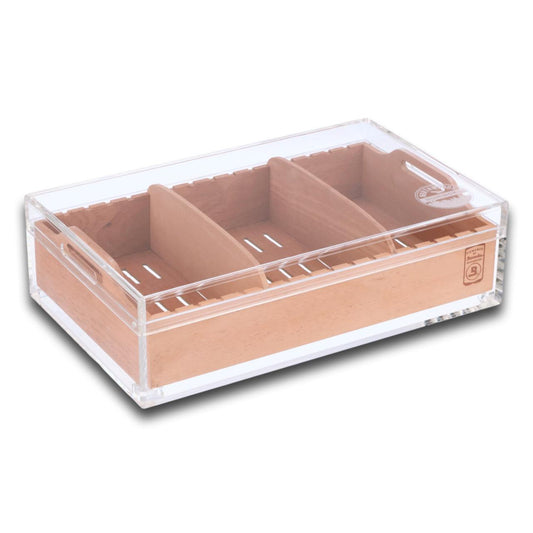
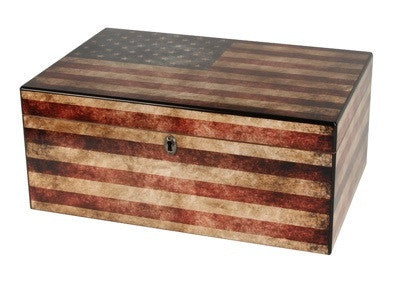
For collectors curating both styles, our upscale cigar storage lineup by Raching offers humidors with separate compartments and precision climate control, which matters when you are aging Maduros and naturals together and want each to develop on its own terms.
The wrapper is not the whole cigar, but it is closer than people give it credit for. Once you understand what fermentation does to tobacco, you stop seeing Maduro and natural as a binary choice and start seeing them as two different traditions worth knowing well.