Spanish Cedar In Cigar Humidors: Why It Matters
Ask almost any experienced cigar collector why Spanish cedar is the standard lining for a quality humidor and you'll get a few different answers, all of them correct. It regulates humidity. It repels tobacco beetles. It enhances the aging process. It imparts a pleasant, complementary aroma to the cigars stored within it. The more interesting question is why it does all of these things - and why no other wood has successfully replaced it despite decades of alternatives being tried.
What Actually Is Spanish Cedar?
Despite the name, Spanish cedar isn't Spanish and isn't technically a cedar. Cedrela odorata is a tropical hardwood native to Central and South America, named by early European traders who encountered it and noted the resemblance to Mediterranean cedar in its scent. It has been used in cigar storage for centuries, and the relationship between this specific wood and the aging of tobacco is one of the most established and reliable in the industry. The key properties are interrelated. Spanish cedar is moderately porous, which means it absorbs and releases moisture in a way that buffers humidity fluctuations inside the humidor. It has natural oils that contribute to its pest-repellent properties and its characteristic scent. And its cellular structure allows it to perform this moisture-regulating function over many years without warping, cracking, or degrading under the conditions typical of a well-maintained humidor.
How Does Spanish Cedar Regulate Humidity?
The porous nature of the wood acts as a buffer between your humidification source and the cigars themselves. When humidity in the humidor rises above the target level, the cedar absorbs excess moisture. When humidity drops, it releases moisture back into the environment. This buffering effect smooths out the fluctuations that would otherwise occur with even small changes in ambient conditions - opening the humidor, temperature changes in the room, the gradual depletion of the humidification source. This is why cedar thickness matters in a serious humidor. Thin cedar linings have less buffering capacity and respond more dramatically to fluctuations. Thicker, more substantial cedar linings - particularly in well-crafted humidors - provide meaningfully better humidity stability, which is one of the reasons construction quality correlates directly with storage performance.
Why Does Spanish Cedar Repel Tobacco Beetles?
Tobacco beetles (Lasioderma serricorne) are the primary pest threat to cigar collections. They lay eggs in tobacco, and larvae hatch and feed on the leaf, destroying cigars from the inside. The oils present in Spanish cedar - primarily limonoids and related terpenes - act as a natural deterrent to the beetles, making cedar-lined storage significantly less hospitable than unlined or alternative-lined storage.
Does Spanish Cedar Affect The Flavor Of Cigars?

Yes, and this is perhaps the most nuanced aspect of the relationship. Spanish cedar imparts a subtle, woody, slightly spicy character to cigars stored within it over time. Long-term aficionados tend to consider this desirable, a natural part of the aging process that complements the complexity of a well-made cigar. Whether you notice it or value it depends on what you're smoking and how long the cigars have been stored. The effect intensifies with time and with the quality of the cedar. This is one of the reasons that premium humidors with thick, high-quality Spanish cedar linings are considered genuinely better for aging, not merely aesthetically superior. The wood is doing active work on the tobacco stored within it, and the quality of that wood shapes the quality of that interaction.
What Should You Look For In A Humidor's Cedar?
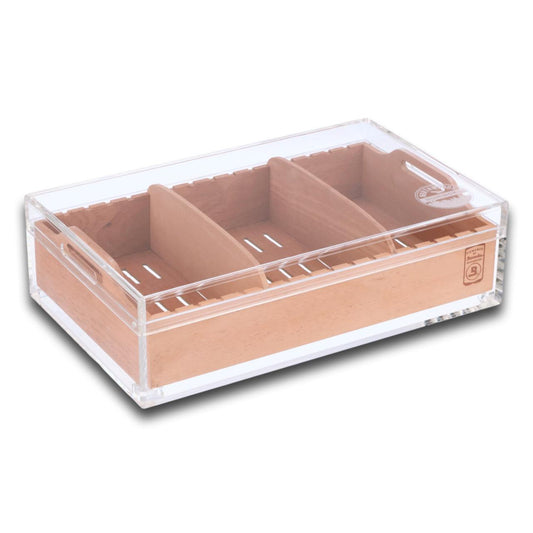
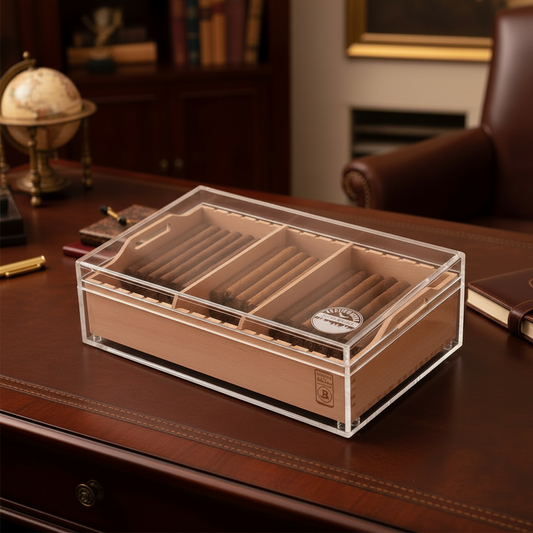
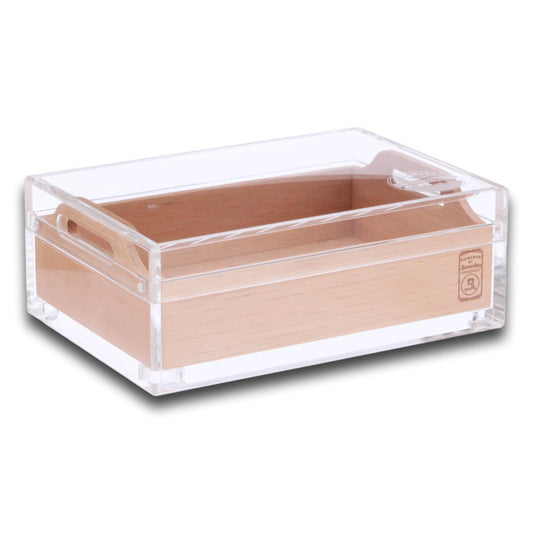
For serious storage and aging, look for cedar that is unfinished and untreated - lacquered or painted cedar cannot perform its moisture-regulating function properly. The color should be a consistent light reddish-brown. The scent should be present and pleasant, not overwhelming or chemical. Thickness matters: a lining of at least 3mm is a baseline, with better humidors using substantially thicker cedar. The handcrafted cigar humidors by Elie Bleu represent what premium cedar construction looks like at the highest level - the kind of quality where the cedar itself is a design consideration, not an afterthought.
Why Northwoods Humidors
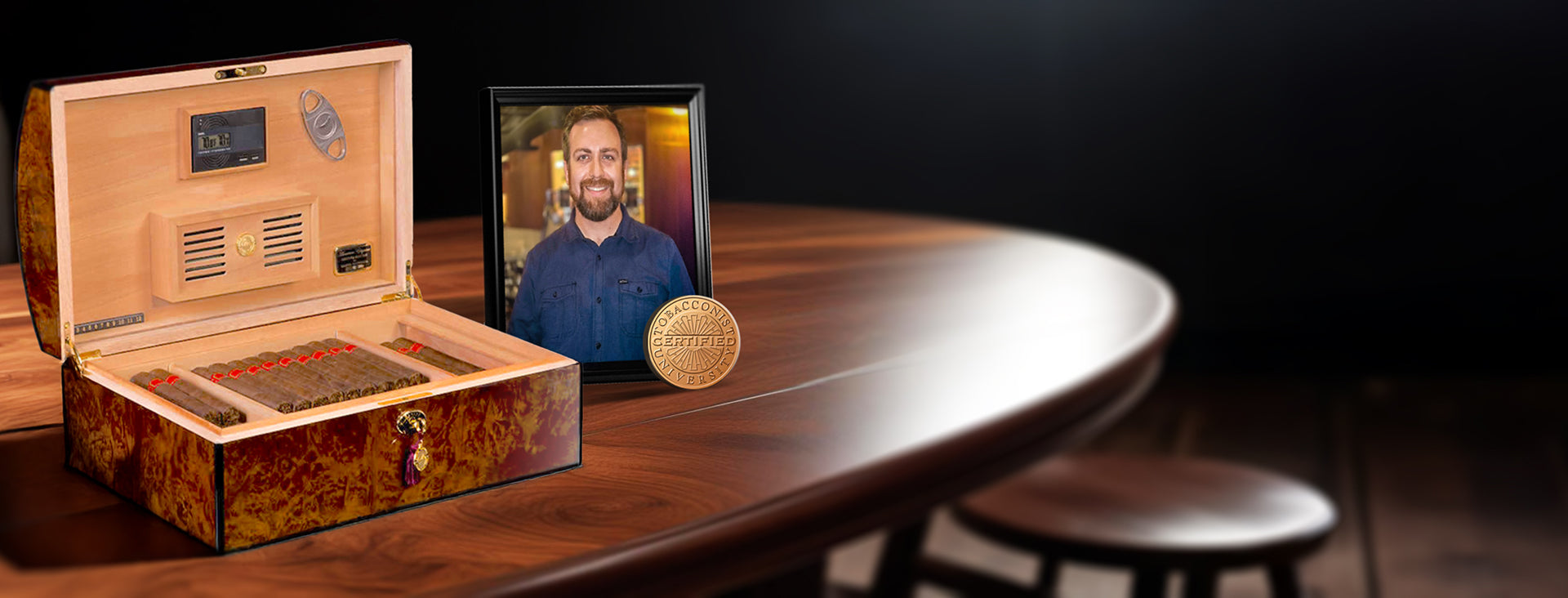
Northwoods Humidors stocks the brands that take construction seriously, including Elie Bleu and Raching, alongside the full range of humidor types and sizes for every level of collector. Founded by Kevin, a Certified Consumer Tobacconist with the expertise to advise on what actually matters in a humidor, Northwoods has fulfilled over 35,000 orders with a 4.9-star customer rating and a 30-day return policy.
Explore the full range at Northwoods Humidors and invest in storage your collection deserves.
And if you feel like sticking around? Take a look at our blog on the most common humidor mistakes!
FAQs
Does a new humidor need to be seasoned before use?
Yes. A new Spanish cedar humidor should be seasoned before adding cigars to bring the wood up to proper moisture levels. An unseasoned humidor will absorb moisture aggressively from anything placed in it, drawing humidity away from your cigars. The standard seasoning process involves wiping the interior cedar lightly with distilled water and leaving a small dish of distilled water or a seasoning packet inside for 24 to 72 hours, repeating if necessary until the interior stabilizes at your target humidity.
Can you use other woods instead of Spanish cedar in a humidor?
Other woods are used - American red cedar, mahogany, and others appear in various humidor builds - but none replicate the specific combination of humidity regulation, pest resistance, and flavor contribution that Cedrela odorata provides. American red cedar has a much stronger, more aggressive scent that can overwhelm the flavor of stored cigars, making it a poor substitute despite superficial similarities.
What is the white mold I sometimes see on Spanish cedar?
A fine, powdery white bloom on Spanish cedar is typically plume mold, a benign mold that appears in high-humidity conditions. It's generally harmless to the cigars and can be wiped away gently with a clean, dry cloth. If the mold appears thick, fuzzy, or on the cigars themselves rather than the wood, that's a more serious concern worth addressing by reducing humidity and investigating the affected cigars individually.
How long does Spanish cedar continue to contribute to the aging process?
Indefinitely, for practical purposes. Well-maintained Spanish cedar in a quality humidor retains its properties for decades. The wood does develop and deepen its character over years of use, and some collectors specifically seek out aged cedar humidors precisely because the wood has mellowed and contributes a more refined, complex quality to long-term storage.
Does cedar thickness really make a noticeable difference?
Yes. Thicker cedar linings provide greater buffering capacity, which translates to more stable humidity, slower response to external fluctuations, and a more consistent environment for aging. This is one of the meaningful construction differences between entry-level humidors and premium ones - not just aesthetics, but actual functional performance in the quality of storage they provide.