Why Some Cigars Burn Better Than Others
Not every cigar burns the same way. Some light easily, hold an even burn line, and deliver a smooth, steady smoke from start to finish. Others tunnel, go out, canoe, or start burning too hot halfway through.
That difference is not random. A cigar’s burn depends on several factors working together, including construction, tobacco quality, moisture level, storage, and the way the smoker lights and puffs it.
If you have ever wondered why one cigar burns beautifully while another becomes a fight, here is what usually makes the difference.
Good burn starts with good construction
The biggest reason some cigars burn better than others is simple: they are built better.
A well-made cigar is put together so air can move through it properly and the tobacco burns at a steady rate. That means the wrapper, binder, and filler all need to work together.
When construction is strong, you are more likely to get:
- An even burn line
- A steady draw
- Cooler smoke
- Better flavor progression
- Fewer relights
When construction is poor, problems start showing up fast.
Long-filler tobacco usually helps
One important part of construction is the filler.
Premium handmade cigars usually use long-filler tobacco. That means full tobacco leaves run through the length of the cigar. These leaves create better airflow and a more even burn.
Cigars made with chopped or mixed filler can still be enjoyable, but they are usually more likely to burn fast, burn hot, or feel less consistent.
This is one reason many smokers notice that handmade premium cigars often burn better than cheaper machine-made options.
Wrapper quality matters more than many smokers think
The wrapper is not only there for appearance. It plays a big part in how the cigar burns.
A strong, well-fermented wrapper helps the cigar burn evenly with the filler. A weak, dry, or poorly applied wrapper is more likely to crack, split, or burn unevenly.
That is why two cigars that look similar on the shelf may smoke very differently once lit. One may have a healthy, well-aged wrapper leaf. The other may not.
Proper humidity makes a major difference
Even a great cigar can burn badly if it has been stored the wrong way.
Too much moisture is one of the most common burn problems. A cigar that is over-humidified can feel heavy, struggle to stay lit, and burn unevenly because the tobacco is simply too damp.
Too little moisture causes different trouble. A cigar that is too dry may burn too quickly, feel hotter than it should, and lose flavor balance.
That is why storage matters so much. Good cigars usually perform best when they are kept in stable conditions, not in a place where humidity swings up and down.
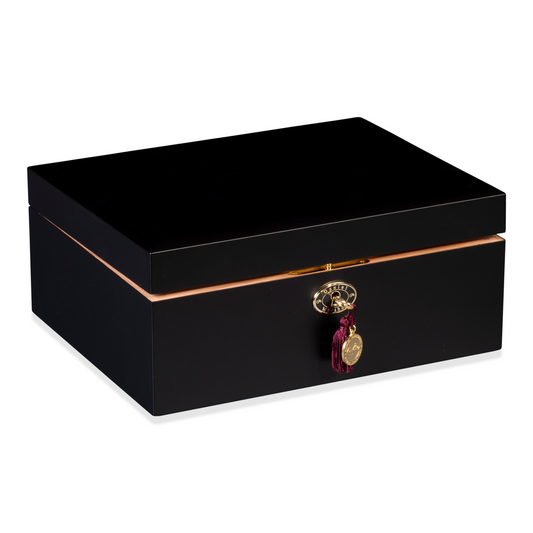
For smokers building a serious collection, climate-controlled cigar storage can make a real difference because it helps protect both burn quality and flavor over time.
Ring gauge changes the way a cigar burns
The thickness of a cigar affects how it smokes.
Thicker cigars often burn cooler because there is more tobacco inside and the smoke has more room to develop before it reaches your palate. That can make the cigar feel slower and more controlled.
Thinner cigars can burn faster and sometimes feel sharper or hotter if smoked too quickly.
That does not mean bigger is always better. A thick cigar can still burn poorly if the construction is weak or the humidity is wrong. It just means size changes the way the cigar behaves.
Lighting technique matters from the first second
A cigar can start badly and never quite recover.
If the foot is not lit evenly, the cigar is more likely to canoe or tunnel early. That is why careful lighting matters.
A good light usually means:
- Toasting the foot evenly
- Rotating the cigar while lighting
- Making sure the full edge is burning before you settle into your first puffs
Many burn problems blamed on the cigar actually begin with rushed lighting.
Smoking pace affects burn consistency

How you smoke matters almost as much as how the cigar was made.
If you puff too quickly, the cigar can overheat. That creates a hotter burn, harsher smoke, and an uneven line. If you leave too much time between puffs, the cigar may cool down and go out.
A steady pace usually works best. Most cigars do better when smoked calmly rather than aggressively.
If your main problem is frequent relights, it helps to read more about why cigars go out because the cause is often a mix of storage, lighting, and puffing rhythm rather than one issue alone.
Tobacco fermentation and aging help the burn
Well-fermented tobacco usually burns cleaner and more evenly than tobacco that has not been processed as carefully.
Fermentation helps remove harsh compounds and allows the tobacco to settle. Aging then gives the leaf more time to balance out.
When tobacco is prepared properly, the cigar is more likely to:
- Burn steadily
- Taste smoother
- Stay lit more easily
- Develop flavor without turning bitter
This is one reason premium cigars often justify their higher price. You are not only paying for branding. You are often paying for time, leaf selection, and better production.
Weather and environment can still interfere
Even a perfect cigar can struggle in the wrong setting.
Wind is one obvious problem. It can cause one side of the cigar to burn faster than the other. Very dry air can also make a cigar burn hotter and faster. High humidity outdoors can make a cigar feel heavier and harder to keep lit.
So while construction and storage matter most, the smoking environment still plays a role.
Why premium cigars often burn better
When people say a premium cigar burns better, they are usually talking about a combination of things:
- Better tobacco
- Better fermentation
- Better construction
- Better wrapper quality
- Better draw control
- Better consistency from cigar to cigar
No cigar is perfect every time, but premium handmade cigars are usually built with burn performance in mind. That gives them a clear advantage over cigars made mainly for speed and low cost.
What poor burn usually looks like
If a cigar is not burning well, the signs usually show up quickly.
Common problems include:
- Canoeing, where one side burns much faster than the other
- Tunneling, where the inside burns ahead of the wrapper
- Frequent relights
- Tight draw with weak smoke output
- Harsh or hot smoke
- Uneven ash and burn line
These symptoms do not always mean the cigar was badly made. Sometimes the problem is humidity, lighting, or smoking pace. But they are all signs that something in the burn process is off.
How to give a cigar the best chance to burn well
If you want better burn performance, focus on the basics:
- Buy well-made cigars from trusted brands
- Store them at stable humidity and temperature
- Let overly damp cigars rest before smoking
- Light the foot evenly and patiently
- Smoke at a calm, steady pace
- Avoid very windy conditions if possible
These steps do not guarantee perfection, but they improve the odds a lot.
Final thoughts
Some cigars burn better than others because of a combination of quality, structure, moisture, and technique. The cigar itself matters, but so does how it has been stored, how it is lit, and how it is smoked.
A great burn is not only about keeping the cigar lit. It is about getting the smoothest, coolest, most balanced version of the cigar from first draw to last. When the tobacco is good, the construction is right, and the smoker handles it well, that is when a cigar really shows what it can do.